




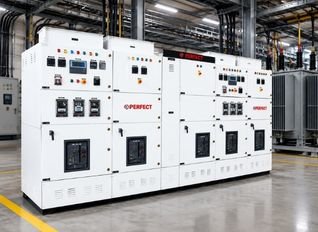
How Generator Control Panels Improve Power System Monitoring and Protection
A generator is not simply an engine and alternator producing electricity. For many commercial and industrial applications, the generator needs to be monitored, controlled and protected while it is operating.
This is where a generator control panel becomes an important part of the power system.
A control panel allows operators to monitor important generator and engine parameters, identify abnormal operating conditions and manage functions such as automatic starting, stopping, transfer and synchronization, depending on the system configuration.
For applications where reliable power is critical, selecting the right control system can therefore be just as important as selecting the generator itself.
What Is a Generator Control Panel?
A generator control panel is the interface used to monitor and control a generator set.
Depending on the configuration, it can provide information about:
- Generator voltage
- Frequency
- Current
- Engine speed
- Engine temperature
- Oil pressure
- Battery condition
- Operating status
- Alarms and faults
- Generator protection
More advanced systems can also support functions such as Automatic Mains Failure (AMF), Automatic Transfer Switching (ATS), generator synchronization and PLC-based automation.
The exact functions available depend on the controller, panel design and generator application.
Perfect House’s control-panel range includes DG Manual/AMF/ATS panels, Synchronizing Panels and PLC-based Automation Panels, along with other electrical control and distribution panels. View Generator Control Panels
Why Generator Monitoring Matters
A generator can experience changes in electrical and mechanical operating conditions during operation.
Without appropriate monitoring, an operator may not immediately know that:
- Voltage is outside the required range
- Frequency has changed
- Engine temperature is increasing
- Oil pressure is low
- The generator is overloaded
- A fault has occurred
Continuous monitoring provides visibility into the generator’s operating condition.
This can help operators respond to abnormal conditions and reduce the risk of operating the generator outside its intended parameters.
1. Monitoring Electrical Parameters
One of the primary functions of a generator control panel is monitoring the electrical output.
Depending on the controller and system configuration, parameters can include:
Voltage
Monitoring generator voltage helps identify conditions where the output is outside the required operating range.
Frequency
Generator frequency provides information about the operating condition of the generating system and can indicate changes that require attention.
Current
Current monitoring helps operators understand the electrical load being supplied by the generator.
Load
Monitoring the load helps determine how heavily the generator is being operated and can assist with identifying overload conditions.
These measurements provide operators with a clearer understanding of the generator’s electrical performance.
2. Monitoring Engine Parameters
The control panel can also provide information about the engine that drives the alternator.
Depending on the generator and controller, monitored parameters may include:
- Engine speed
- Coolant temperature
- Oil pressure
- Battery voltage
- Engine running hours
- Fuel-related information
- Engine alarms
Monitoring these parameters helps operators identify conditions that may require investigation or maintenance.
For example, a low oil-pressure alarm or high engine-temperature warning can indicate a condition that should be addressed rather than allowing the generator to continue operating without attention.
3. Generator Protection
Monitoring and protection work together.
A generator control system can be configured to detect specific abnormal conditions and initiate an appropriate response according to the system design.
Protection functions can include conditions such as:
- Overvoltage
- Undervoltage
- Overfrequency
- Underfrequency
- Overcurrent
- Emergency stop
- High engine temperature
- Low oil pressure
- Overspeed
- Starting failure
The exact protection functions depend on the generator controller and configuration.
The purpose is to help prevent continued operation when the system detects a condition outside its defined operating limits.
4. Automatic Mains Failure (AMF)
For standby generator applications, Automatic Mains Failure (AMF) can reduce the need for manual intervention.
An AMF system can monitor the utility supply and, when a qualifying mains failure occurs, initiate the generator start sequence according to its configuration.
A typical sequence may involve:
Mains failure → Generator start → Generator reaches operating conditions → Load transfer
When the mains supply is restored, the system can initiate the return sequence according to the configured control logic.
This makes AMF particularly useful for applications where backup power needs to become available without requiring an operator to manually start the generator.
5. Automatic Transfer Switching
An Automatic Transfer Switch (ATS) manages the transfer of an electrical load between available power sources according to its configuration.
For example:
Utility Supply → Generator Supply
When the normal supply becomes unavailable, the system can transfer the designated load to the generator after the appropriate conditions are met.
When the normal supply returns, the system can transfer the load back according to the programmed sequence.
ATS systems can therefore be an important component of automatic backup-power installations.
6. Generator Synchronization
Larger power systems may require more than one generator operating together.
This creates additional control requirements.
Synchronization involves coordinating generators so they can operate together under the required electrical conditions.
A synchronizing system may coordinate parameters such as:
- Voltage
- Frequency
- Phase relationship
- Generator connection
- Load distribution
Synchronization can be useful where a single generator does not provide the required capacity or where operational flexibility and redundancy are important.
Perfect House’s control-panel range includes Synchronizing Panels for such applications. View Synchronizing Panels
7. Load Sharing Between Generators
When multiple generator sets operate together, the available electrical load may need to be distributed between them.
This is commonly referred to as load sharing.
An appropriately designed control system can help coordinate generator operation so that multiple sets can contribute to the required electrical load.
This can be relevant for:
- Large industrial facilities
- Construction projects
- Rental power systems
- Critical facilities
- High-capacity temporary power
- Applications requiring generator redundancy
The actual load-sharing method depends on the generator controllers and overall electrical system design.
8. PLC-Based Generator Automation
For more complex installations, basic generator controls may not be sufficient.
A PLC-based automation system can provide more advanced control logic and integration with other parts of the electrical system.
Depending on the application, PLC-based automation can be used for:
- Generator sequencing
- System monitoring
- Automatic control
- Multiple-generator management
- Interlocking
- Alarm management
- Integration with other equipment
Perfect House’s control-panel range includes Automation Panels using PLC, providing an option for applications that require more advanced control logic.
9. Monitoring Helps With Troubleshooting
A useful control system doesn’t only help during normal operation.
It can also provide information when something goes wrong.
Depending on the controller, the system may provide:
- Alarm indications
- Shutdown information
- Operating parameters
- Event records
- Fault information
- Generator status
This information can help maintenance personnel understand what happened and investigate the underlying issue.
For larger installations, this can make troubleshooting more structured than relying solely on visual inspection or manual measurements.
10. Control Panels for Different Applications
The control-panel configuration should match the application.
Commercial Buildings
Commercial buildings may require:
- Automatic backup operation
- AMF
- ATS
- Generator monitoring
- Electrical protection
The priority is generally maintaining power to designated loads while allowing the system to operate with minimal manual intervention.
Industrial Facilities
Industrial applications can have more complex requirements.
They may involve:
- Multiple generators
- Large motors
- High electrical loads
- Synchronization
- Load sharing
- PLC automation
- Protection systems
The control system should therefore be designed around the complete electrical architecture.
Construction Projects
Construction sites may require temporary generator systems supporting:
- Site offices
- Lighting
- Pumps
- Tools
- Machinery
- Temporary facilities
The control requirements depend on the size and complexity of the temporary power system.
Rental Power
Generator rental systems can involve multiple generator sets operating at different locations or as part of a larger temporary power installation.
In larger rental configurations, synchronization and load management may become important considerations.
11. Generator Control Panel Construction Also Matters
The control system isn’t only about the controller installed inside the panel.
The physical construction of the panel is also important.
Perfect House’s listed panel construction specifications include features such as:
- Sheet-metal construction
- Aluminium or copper busbars
- Different compartmentalized configurations
- IP-rated construction options
- Powder coating
- Shrouding
- Cable-entry options
- Single- and double-front configurations
- Different panel arrangements
The site lists IP-42, IP-54, IP-55 and IP-65 options depending on panel requirements.
The appropriate enclosure and construction should be selected according to the installation environment and application requirements.
12. Standard vs Customized Generator Control Panels
Not every generator installation has the same control requirements.
A relatively straightforward standby generator may require a different panel from a large industrial power system involving multiple generator sets.
Standard Configurations May Be Suitable For:
- Basic generator operation
- Manual starting
- Automatic backup
- AMF applications
- ATS applications
Customized Systems May Be Required For:
- Generator synchronization
- Multiple-generator operation
- PLC automation
- Complex load management
- Specialized industrial applications
- Integration with other electrical systems
The control-panel design should therefore be based on the actual requirements of the power system.
How to Choose the Right Generator Control Panel
Before selecting a control panel, consider:
1. Generator Capacity
The panel should be suitable for the generator and electrical system it will control.
2. Operating Mode
Determine whether the generator will be used for:
- Manual operation
- Standby operation
- Prime power
- Automatic backup
- Multiple-generator operation
3. Required Automation
Identify whether you need:
- AMF
- ATS
- Synchronization
- Load sharing
- PLC automation
- Remote monitoring
4. Protection Requirements
Determine which engine and electrical protection functions are required.
5. Installation Environment
Consider:
- Indoor or outdoor installation
- Dust
- Moisture
- Temperature
- Enclosure requirements
- Cable entry
6. Future Expansion
If additional generators or loads may be added later, consider whether the control architecture can accommodate the expected expansion.
Generator Control Panel Selection Checklist
Before finalizing a panel, review:
- Generator capacity
- Electrical voltage
- Frequency
- Number of generators
- Standby or prime operation
- Required monitoring parameters
- Engine protection
- Electrical protection
- AMF requirement
- ATS requirement
- Synchronization requirement
- Load-sharing requirement
- PLC requirement
- Enclosure/IP requirement
- Installation environment
- Future expansion requirements
This provides a practical starting point for discussing the control system with the generator or panel manufacturer.
Common Generator Control Panel Selection Mistakes
Choosing Only by Controller Brand
The controller is important, but the complete panel design and system architecture also matter.
Ignoring the Application
A panel for a simple standby generator may not be suitable for a multi-generator industrial system.
Underestimating Protection Requirements
Protection should be considered as part of the complete generator system rather than added as an afterthought.
Ignoring the Installation Environment
The panel enclosure and construction should reflect the conditions in which it will operate.
Not Considering Future Expansion
A system that may need additional generator capacity or automation should be planned accordingly.
Final Thoughts
A generator control panel plays an important role in monitoring, protection and control of a generating system.
For basic applications, it can provide essential generator monitoring and manual or automatic operation. For more demanding installations, the control system can incorporate AMF, ATS, synchronisation, load sharing, and PLC-based automation.
The right configuration depends on the generator, electrical loads, operating mode, installation environment and level of automation required.
Rather than treating the control panel as an accessory to the generator, it should be considered part of the overall power system design.
For applications requiring a suitable control and automation solution, explore the Generator Control Panels range and select the configuration based on your generator and application requirements.